

Summary
Cybersecurity Awareness Month is a great reminder to check in on your digital habits. Explore six simple cybersecurity tips to protect your personal and financial information, secure your online accounts and recognize suspicious activity.
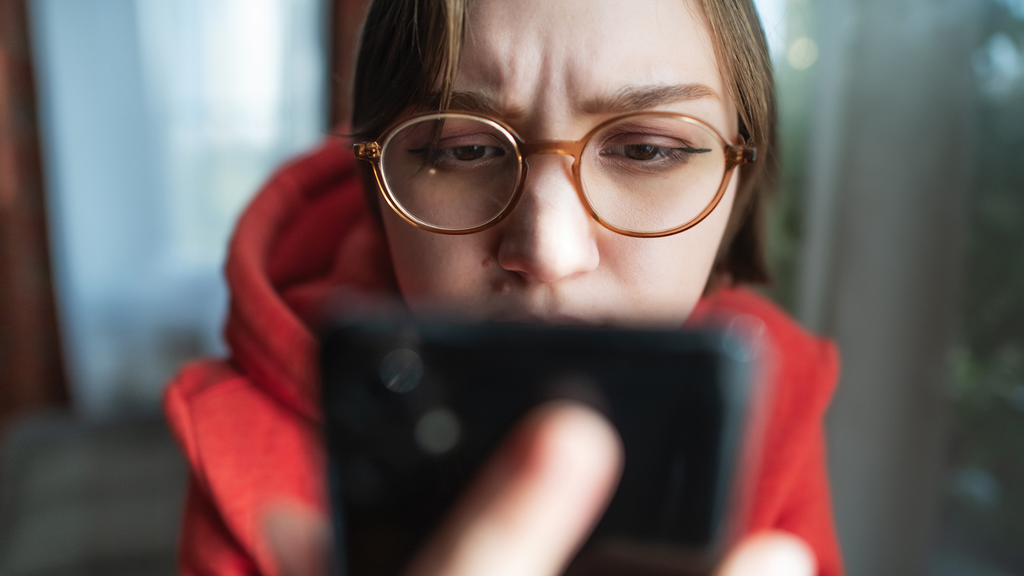
Small Habits Can Make a Big Difference
October is Cybersecurity Awareness Month, making it a great time to take a closer look at your online security and the information you share along the way.
Think about how much of your day happens online. You shop, bank, work, scroll, stream and stay connected, often without giving much thought to the information moving behind the scenes.
That convenience is one of the best parts of our digital world. But every account you create, app you download and device you connect can add another piece to your digital footprint.
The good news? Protecting your personal and financial information online doesn’t have to be complicated. A few simple cybersecurity habits and regular check-ins can go a long way toward helping you stay safer online.
1. Clean Up Old Accounts and Apps
That shopping account you opened for one purchase five years ago? The app you downloaded for a vacation and haven’t touched since?
They may not be top of mind anymore, but they’re still part of your digital life.
Take a few minutes to look through accounts and apps you no longer use. Consider closing old accounts you don’t need and deleting apps that are collecting dust.
Think of it as cleaning out your digital junk drawer. You probably don’t need everything that’s in there.
2. Check Your App Permissions
Apps often request access to things like your location, contacts, camera or photos. Sometimes that access makes perfect sense. Other times, you may have granted permission months or years ago without thinking twice.
Periodically reviewing your app permissions can help you better understand what information you’re sharing.
If an app doesn’t need certain information to do its job, consider turning that permission off.
3. Keep Personal Information Personal
A birthday celebration. Your new job. Your pet’s name. Your hometown.
They’re perfectly normal things to share with friends and family, but together they can reveal more about you than you might realize.
Before posting personal details publicly, think about who can see them. Take a moment to review the privacy settings on your social media accounts, too. Being mindful of your digital footprint can help limit how much personal information is available online.
4. Pay Attention to Unexpected Security Codes
You know those one-time security codes you receive when signing into an account?
If you didn’t request one, don’t ignore it.
An unexpected security code may be a reason to take a closer look at the account involved. And no matter how convincing someone sounds, don’t share a verification code with someone who contacts you asking for it. Your security codes are meant for you.
5. Check Your Account Recovery Information
Protecting an online account isn’t just about how you sign in. It’s also worth considering how you would regain access if you were ever locked out.
Check the recovery email address and phone number connected to important accounts and make sure they’re still current.
After all, your old college email address probably isn’t much help if you haven’t logged into it in a decade.
6. Pause Before You Click, Tap or Respond
Technology moves quickly. So do we.
We’ve all tapped a notification, opened an email or responded to a message while thinking about five other things. That’s exactly why one of the simplest cybersecurity habits can also be one of the most useful: slow down.
If something feels unexpected, urgent or just a little off, give yourself a moment before acting. Look more closely and verify the request through a trusted method. When it comes to your money or personal information, being cautious is never a bad thing.
Your Digital Checkup Doesn’t End Here
Cybersecurity can sound technical, but protecting yourself online often comes back to everyday decisions. Know what you’re sharing. Pay attention to the accounts and apps you use. Keep your information current. And if something doesn’t feel right, take a moment to pause and look a little closer.
This Cybersecurity Awareness Month, take a few minutes to check in on your digital life. A little digital housekeeping today can help you feel more confident online tomorrow.
And remember, you don’t have to navigate online security alone. If something feels suspicious or you’re unsure about a call, email or message involving your account, we’re here to help. First Internet Bank will never ask you to provide sensitive information, such as your PIN, online banking password or one-time security codes by phone, email or text message. If you believe you may be a victim of fraud, contact our Relationship Bankers at [email protected] or 1-888-873-3424.
Looking for more ways to protect yourself? Visit our Privacy & Security Center for tips and resources to help you stay informed and safer online.